How to Buy Steel Buildings from China: Complete Buyer Guide
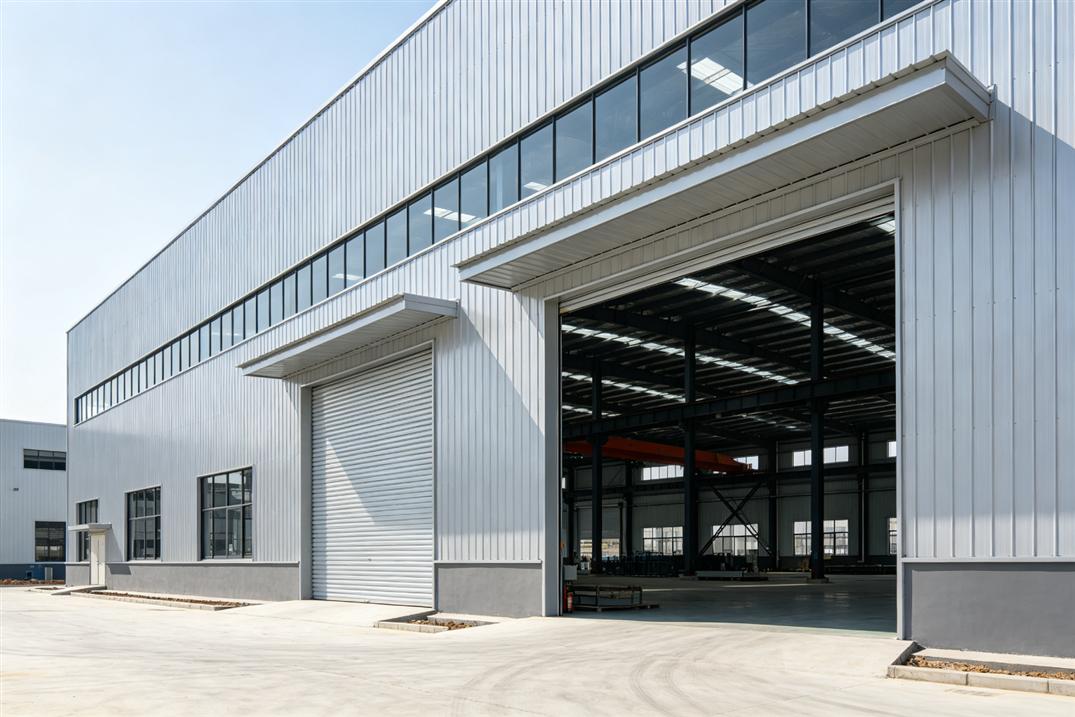
Buying steel buildings from China offers significant cost savings, but requires careful planning and due diligence. As a manufacturer with 15+ years of export experience and, we share the complete process to help you source confidently. This guide covers everything from initial research to final delivery and installation.
Step 1: Define Your Requirements Clearly
The foundation of a successful purchase is clear requirement definition. Vague requirements lead to inaccurate quotes and potential mismatches. Prepare this information before contacting suppliers:
Essential Building Specifications: • Dimensions: Length × Width × Eave Height (e.g., 60m × 24m × 8m) • Building type: Warehouse, workshop, hangar, poultry house, etc. • Local climate: Wind speed, snow load, seismic zone • Insulation needs: None, basic, climate-controlled • Crane requirements: Capacity, span, quantity • Door/window specifications: Size, quantity, type
Project Timeline: • When do you need the building operational? • Foundation completion date • Installation window (consider weather)
Budget Considerations: • Total budget range • Payment terms preference • Priority: Lowest cost vs fastest delivery vs premium quality
Documentation Needed: • Site layout or survey (if available) • Local building code requirements • Architectural drawings (if you have them)
Providing complete information upfront ensures you receive accurate, comparable quotes from suppliers. Suppliers typically allocate more engineering resources to well-defined inquiries.
Step 2: Find and Vet Chinese Steel Structure Manufacturers
Choosing the right manufacturer is the most critical decision. China has thousands of steel structure companies, ranging from trading companies to large factories. Here is how to identify reliable manufacturers:
Where to Find Manufacturers: • Alibaba/Made-in-China/Global Sources (B2B platforms) • Google search (look for .com websites, not just platform listings) • Trade shows (Canton Fair, Bauma China, SteelFab) • Industry associations and referrals • LinkedIn and professional networks
Red Flags to Avoid: • Prices 30%+ below market average (likely cutting corners) • Unable to provide factory photos or video calls • No verifiable export history or client references • Refuse to provide material test reports (MTR) • Pressure to pay 100% upfront • Vague answers about certifications and standards
Verification Checklist: • Business license and registration (verify via official channels) • Factory size: Look for 10,000+ m² facilities for serious manufacturers • Equipment: CNC cutting, automatic welding, shot blasting, painting lines • Quality control: In-house testing, inspection procedures, ISO certification • Export experience: Number of years exporting, countries served, project references • Engineering team: Number of engineers, software used (Tekla, SAP2000, etc.) • Production capacity: Monthly tonnage, lead time for your project size
Recommended Approach: 1. Shortlist 5-8 potential suppliers based on initial research 2. Send the same detailed inquiry to all for comparison 3. Request factory video calls or virtual tours 4. Ask for 2-3 client references in your region 5. Narrow down to 2-3 finalists for detailed negotiation
Taking time to vet suppliers prevents costly mistakes and ensures a smooth project experience.
Step 3: Request and Compare Quotes Effectively
Getting accurate quotes requires more than sending an email with dimensions. Follow these steps to get comparable, detailed quotations:
Quote Request Template: Include all specifications from Step 1, plus: • Incoterms preference (FOB, CIF, DDP) • Destination port for CIF quotes • Required certifications • Drawing format requirements • Quote validity period request
What a Good Quote Should Include: • Complete material list (BOM) with steel grades and weights • Itemized pricing: Steel, panels, doors, windows, accessories • Engineering and design fees (should be included) • Production lead time • Packaging details • Payment terms • Validity period (15-30 days typical) • Shipping quote (if CIF)
Common Quote Comparison Pitfalls: • Comparing FOB vs CIF prices (always normalize to same Incoterm) • One quote includes engineering, another charges extra • Different steel grades (Q235B vs Q355B) • Different panel thickness or insulation type • One includes bolts and fasteners, another does not • Different painting systems (1 coat vs 3 coats)
Questions to Ask Each Supplier: • Can you provide a detailed material takeoff (BOM)? • What steel grade do you recommend for my location? • What is included in the price vs optional extras? • Can you provide references for similar projects? • What is your quality control process? • How do you handle shipping damage claims? • What after-sales support do you provide?
Negotiation Tips: • Don't just negotiate price - negotiate total value (lead time, payment terms, warranty, support) • Use competitor quotes as leverage, but be transparent • Larger orders justify better pricing • Consider long-term partnership pricing for repeat orders • Ask about seasonal promotions or bulk discounts
A thorough quote comparison ensures you are comparing apples to apples and selecting the best overall value, not just the lowest price.
Frequently Asked Questions
What is the minimum order quantity for steel buildings from China?
Most manufacturers accept orders as small as 50 m² or 10 tons, though per-unit costs are higher for small orders. Economies of scale typically kick in at 500+ m². For very small projects, consider local suppliers or modular options.
How do I verify a Chinese manufacturer is legitimate?
Verify business registration through official Chinese government databases (Qichacha, Tianyancha), request video calls showing the factory floor, ask for client references in your region, and consider third-party inspection services (SGS, BV, TUV) for factory audits. Be wary of trading companies posing as manufacturers.
What payment methods are safe for international purchases?
Safe payment methods include: Telegraphic Transfer (T/T) with 30% deposit/70% before shipment, Letters of Credit (L/C) at sight for large orders, and Alibaba Trade Assurance for platform purchases. Avoid 100% upfront payments to new suppliers. Never pay to personal bank accounts - always use company accounts.
How long does the entire process take from inquiry to delivery?
Typical timeline: 1-2 weeks for inquiry and quote comparison, 1-2 weeks for design and contract, 4-6 weeks for production, 3-6 weeks for ocean shipping, and 1-2 weeks for customs and inland transport. Total is typically 3-5 months from order to site delivery, plus 6-12 weeks for installation.
What if there are quality issues or missing parts after delivery?
Reputable manufacturers provide warranty and after-sales support. Document any issues with photos and videos immediately. Missing parts are typically air-freighted at manufacturer cost. Quality issues should be addressed through the contract warranty terms. We recommend including a 5-10% retention payment or performance bond in contracts for large projects to ensure post-delivery support.
Ready to Get a Quote for Your Steel Structure Project?
Our engineering team provides free quotations within 24-48 hours. Get accurate pricing based on your specific requirements.
Get Free Quote WhatsApp Us