Steel Structure Supplier Indonesia: Complete Sourcing Guide
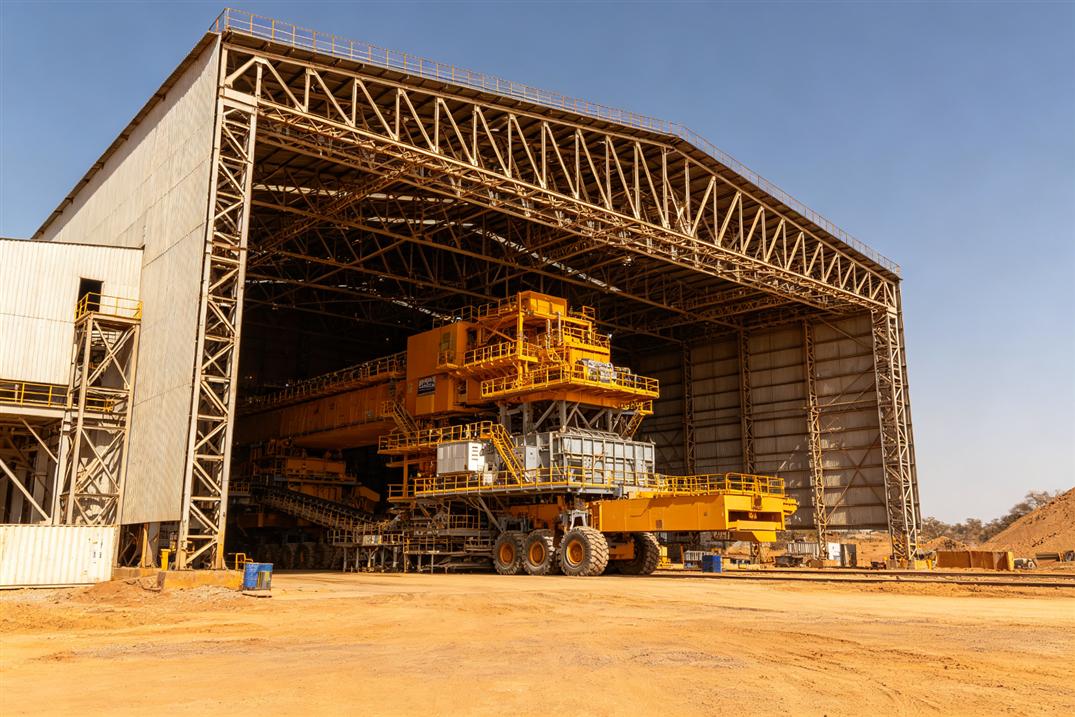
Indonesia is one of Southeast Asia fastest-growing economies, with booming demand for industrial, commercial, and agricultural steel structures. As a Chinese manufacturer with extensive experience exporting to Indonesia, this guide covers everything you need to know about sourcing steel structures for the Indonesian market: import regulations, shipping logistics, local building codes, duties, and common project types.
Indonesia Steel Structure Market Overview
Indonesia steel construction market is growing rapidly, driven by industrialization, infrastructure development, and foreign investment.
Market Drivers: • Industrial estate development (Bekasi, Karawang, Cikarang, Surabaya) • Manufacturing sector growth (automotive, electronics, textiles, food processing) • Logistics and warehousing boom (e-commerce fulfillment centers) • Agricultural modernization (poultry, livestock, grain storage) • Government infrastructure programs (ports, airports, power plants) • Foreign direct investment (FDI) from China, Japan, Korea, Singapore
Common Project Types in Indonesia: • Manufacturing factories and workshops (most common) • Warehouses and logistics centers • Poultry farms and livestock buildings • Cold storage facilities • Commercial buildings (showrooms, supermarkets) • Power plant and industrial infrastructure • Mining processing facilities (Kalimantan, Sulawesi)
Key Industrial Areas: • Jababeka (Bekasi): Largest industrial estate, manufacturing and logistics • Karawang: Automotive and electronics manufacturing • Cikarang: Heavy industry and manufacturing • Surabaya (East Java): Second largest industrial hub • Medan (North Sumatra): Palm oil and manufacturing • Batam: Electronics and shipbuilding (free trade zone) • Balikpapan (Kalimantan): Mining and energy
Why Chinese Steel Structures Are Popular in Indonesia: • Cost savings of 20-35% compared to local or Japanese/Korean suppliers • Fast production lead times (4-6 weeks standard) • Customization capability for complex projects • Experience with Indonesian building codes and import procedures • Short shipping distance (7-14 days) • Chinese contractors already active in Indonesia provide reference projects
Understanding the market landscape helps you identify the right supplier and plan your project effectively.
Import Regulations and Duties for Indonesia
Understanding Indonesian import regulations is critical for smooth customs clearance and avoiding unexpected costs.
Import Duty Rates (2026): • Steel structures (HS 7308.90): 0-5% import duty (ASEAN-China FTA may reduce to 0%) • Steel beams/columns (HS 7216): 0-5% • Sandwich panels (HS 7210/7212): 5-10% • Doors and windows (HS 7308): 5-10% • VAT (PPN): 11% on (CIF value + import duty) • Income tax (PPh 22): 2.5% for companies with NPWP, 7.5% without
ASEAN-China Free Trade Area (ACFTA) Benefits: • Indonesia and China are both ACFTA members • Steel products may qualify for 0% or reduced duty rates • Requires Certificate of Origin Form E (issued by China Chamber of International Commerce) • Must meet rules of origin (40% local content or tariff classification change) • Save 5-10% on import duties with proper documentation
Required Import Documents: • Commercial invoice (detailed, with HS codes) • Packing list (with weights, dimensions, part numbers) • Bill of Lading (B/L) or Sea Waybill • Certificate of Origin Form E (for ACFTA preferential rates) • Material test reports (MTR) for steel products • Manufacturer declaration or quality certificate • Import permit (API-U/API-P) from Indonesian importer • Survey report (for certain regulated products)
Customs Clearance Process: 1. Submit customs declaration (PIB) electronically via INSW system 2. Pay import duties, VAT, and income tax 3. Customs inspection (random or targeted - approximately 10-20% of shipments) 4. Release of goods for inland transport 5. Typical clearance time: 3-7 working days for complete documentation
Common Customs Issues to Avoid: • Incorrect HS codes (leads to duty reassessment and delays) • Undervaluation (customs may revalue, causing penalties) • Missing Certificate of Origin (loses preferential duty rates) • Inaccurate packing lists (delays inspection) • Restricted goods without proper permits • Wood packaging without ISPM 15 treatment (fumigation required)
Recommended Approach: • Work with an experienced Indonesian customs broker (forwarder) • Ensure all documents are accurate and complete before shipping • Request Certificate of Origin Form E from your Chinese supplier • Verify HS codes with your customs broker before shipment • Consider using a reputable Indonesian importer of record if you do not have API license
Proper documentation and planning ensures smooth customs clearance and avoids costly detention charges (typically $50-100/day per container after free storage period).
Shipping and Logistics to Indonesia
Indonesia benefits from proximity to China, making shipping relatively fast and affordable compared to other destinations.
Major Indonesian Ports: • Tanjung Priok (Jakarta): Largest port, handles 60%+ of imports • Tanjung Perak (Surabaya): Second largest, East Java hub • Belawan (Medan): North Sumatra gateway • Makassar (Sulawesi): Eastern Indonesia hub • Batam: Free trade zone, close to Singapore • Balikpapan (Kalimantan): Mining and energy hub
Shipping Routes and Transit Times: • China (Shenzhen/Guangzhou) → Tanjung Priok (Jakarta): 7-10 days direct • China → Tanjung Perak (Surabaya): 10-14 days (may transship via Singapore) • China → Belawan (Medan): 10-14 days • China → Makassar: 14-18 days (transship via Jakarta/Surabaya) • China → Balikpapan: 14-18 days
2026 Freight Rates (40HQ container): • Shenzhen → Jakarta: $1,200-$2,000 • Guangzhou → Jakarta: $1,300-$2,100 • Shanghai → Jakarta: $1,400-$2,200 • Shenzhen → Surabaya: $1,500-$2,400 • Shenzhen → Medan: $1,600-$2,500
Inland Transport (Port to Site): • Jakarta → Bekasi/Karawang/Cikarang: $200-$400 per truck (40ft trailer) • Jakarta → Bandung: $300-$500 • Surabaya → Malang: $250-$400 • Surabaya → Semarang: $400-$600 • Medan → surrounding areas: $200-$500 • Note: Some industrial estates have weight/height restrictions - verify access routes
Container Loading for Indonesian Projects: • Typical loading: 25-28 tons per 40HQ (Indonesian roads have weight limits) • Long components (up to 12m) fit in 40ft containers • Consider overweight container surcharges at some Indonesian ports • Plan for crane or forklift at site for unloading (minimum 5-ton capacity) • Some sites may need manual unloading if equipment is limited
Recommended Logistics Tips: 1. Choose the right port: Sometimes shipping to a closer port even with transshipment saves inland transport costs 2. Plan delivery timing: Avoid monsoon season (Nov-Mar) for site delivery if roads are poor 3. Coordinate with installer: Schedule delivery to match foundation completion and installation team availability 4. Use experienced forwarder: Choose a forwarder with Indonesia experience to handle customs and inland transport 5. Insure your shipment: Marine cargo insurance costs 0.1-0.3% of value but covers damage/loss 6. Track your shipment: Use shipping line tracking or forwarder updates to plan site preparation
Indonesia logistics are relatively straightforward compared to more remote destinations, but proper planning ensures your materials arrive on time and in good condition for installation.
Frequently Asked Questions
What is the total cost to import a steel warehouse from China to Indonesia?
For a standard 1,000 m² steel warehouse: FOB China cost $70,000-$100,000, shipping $4,000-$8,000 (4 containers), import duties & taxes $8,000-$15,000 (with ACFTA Form E), inland transport $1,000-$3,000, customs broker fees $500-$1,500. Total landed cost approximately $83,500-$127,500. Add foundation ($15,000-$30,000) and installation ($10,000-$20,000) for total project cost.
Do I need an import license to buy steel structures from China?
Yes, Indonesian importers need an API (Angka Pengenal Importir) license. There are two types: API-U (general importer) for goods sold domestically, and API-P (producer importer) for goods used in own production. If you do not have an API license, you can use an importer of record service (typically 1-3% of shipment value) or work with a local trading company. Many first-time buyers use this approach.
How long does delivery take from China to Indonesia?
Total timeline from order to site delivery: Production 4-6 weeks, shipping 7-14 days, customs clearance 3-7 days, inland transport 2-5 days. Total is typically 6-9 weeks from order confirmation to materials on site. This is significantly faster than Africa (10-14 weeks) or Latin America (12-16 weeks), making Indonesia an attractive market for quick project turnaround.
What local building codes apply in Indonesia?
Indonesia uses SNI (Standar Nasional Indonesia) standards, which are largely based on ASTM and AISC standards. Key standards include: SNI 03-1729 for structural steel, SNI 03-6364 for seismic resistance, SNI 03-1727 for loadings. Many Chinese manufacturers are familiar with SNI requirements and can design accordingly. For permit approval, you may need a local structural engineer (PNSI/IPSK) to review and stamp the drawings. We recommend engaging a local engineer early in the process.
Can Chinese manufacturers provide after-sales support in Indonesia?
Yes, reputable manufacturers provide comprehensive after-sales support including: detailed installation drawings and manuals, video tutorials, remote technical support via WhatsApp/WeChat/email, and optional engineer dispatch to site for installation guidance (typically $150-$250/day plus flights and accommodation). Some manufacturers have local agents or partners in Indonesia who can provide on-site support. For first-time projects, we recommend at least a 1-2 week engineer visit to train the local installation team and ensure correct assembly.
Ready to Get a Quote for Your Steel Structure Project?
Our engineering team provides free quotations within 24-48 hours. Get accurate pricing based on your specific requirements.
Get Free Quote WhatsApp Us