Steel Structure Supplier Saudi Arabia: Complete Sourcing Guide
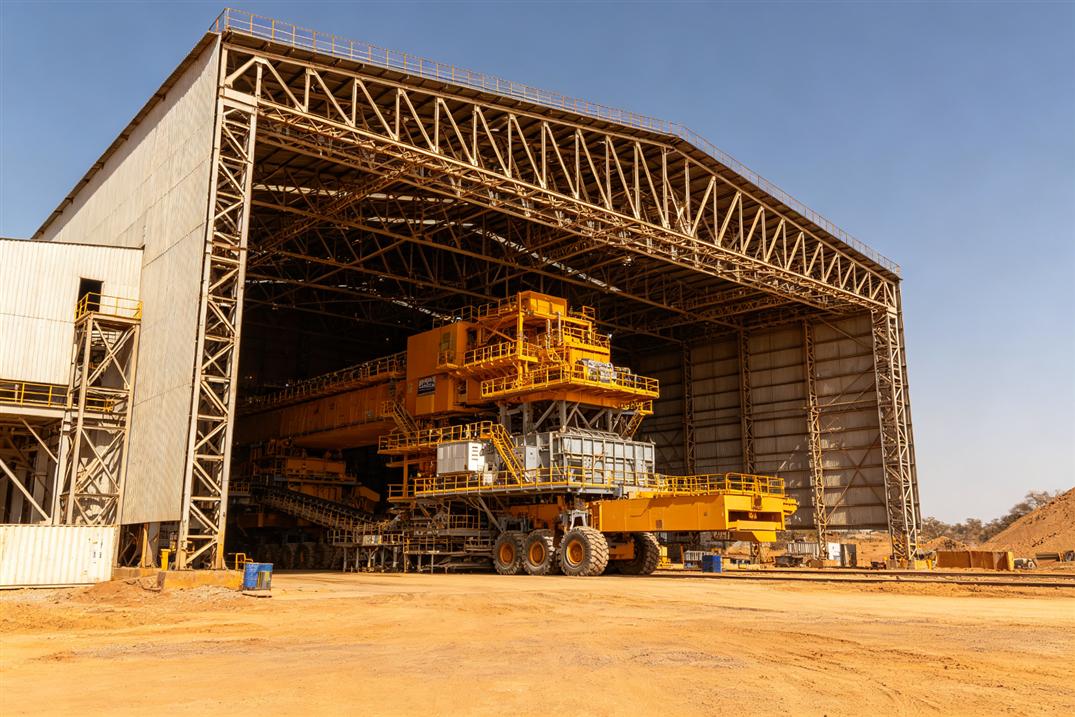
Saudi Arabia is experiencing unprecedented construction growth driven by Vision 2030, NEOM, Red Sea Project, and massive industrial expansion. As a Chinese manufacturer with extensive experience exporting to Saudi Arabia, this guide covers SASO certification, import regulations, shipping logistics, local building codes, and key project opportunities in the Saudi market.
Saudi Arabia Steel Structure Market Overview
Saudi Arabia is the largest construction market in the Middle East, with billions of dollars in projects underway and planned.
Market Drivers: • Vision 2030 economic transformation program • NEOM mega-city project ($500 billion) • Red Sea Project (luxury tourism development) • Qiddiya entertainment city • Industrial city expansions (Jubail, Yanbu, Jazan) • Warehouse and logistics boom (e-commerce growth) • Poultry and agricultural investment (food security initiative) • Healthcare and educational facility expansion
Common Project Types: • Industrial factories and manufacturing plants (Jubail, Yanbu) • Warehouses and logistics centers (Riyadh, Jeddah, Dammam) • Poultry farms and livestock facilities • Cold storage and food processing plants • Commercial buildings and showrooms • Power plant and petrochemical infrastructure • Mining and mineral processing facilities
Key Industrial Areas: • Riyadh: Capital, commercial and industrial hub • Jeddah: Western province, port city, commercial center • Dammam/Khobar/Dhahran: Eastern province, oil & gas, industrial • Jubail: Largest industrial city, petrochemicals, manufacturing • Yanbu: Western industrial city, refining, petrochemicals • Jazan: Southern industrial city, new development zone • NEOM: Future mega-city (northwest)
Why Chinese Steel Structures Are Popular in Saudi Arabia: • Cost savings of 25-40% compared to local/European suppliers • Experience with SASO certification and Saudi building codes • Fast production (4-6 weeks) to meet tight project timelines • Large project capacity (can handle 5,000+ ton orders) • Chinese contractors active in Saudi market provide references • Arabic/English bilingual support from experienced exporters
Understanding the Saudi market dynamics helps you identify the right supplier and navigate the unique requirements of this high-growth market.
SASO Certification and Import Regulations
Saudi Arabia has strict import regulations, and SASO (Saudi Standards, Metrology and Quality Organization) certification is mandatory for most products.
SASO Requirements for Steel Structures: • Steel products require SASO conformity assessment • Two pathways: SABER (Saudi Product Safety Program) platform or traditional CoC • For steel structures (HS 7308): Typically requires Product Conformity Certificate • Material test reports (MTR) must meet SASO or equivalent standards • Manufacturer must be registered in SABER system
SABER Certification Process: 1. Manufacturer registers product in SABER system 2. Product technical file submitted (drawings, test reports, MTR) 3. Notified body reviews and issues Product Certificate 4. For each shipment: Shipment Certificate issued via SABER 5. Certificate presented to Saudi Customs for clearance
Import Duty Rates (2026): • Steel structures (HS 7308.90): 5% import duty (GCC common external tariff) • Steel beams/columns (HS 7216): 5% • Sandwich panels (HS 7210): 5-10% • VAT: 15% on (CIF + duty) - standard rate since 2020 • No income tax on imports for most products
Required Import Documents: • Commercial invoice (in English, detailed with HS codes) • Packing list (weights, dimensions, part numbers) • Bill of Lading (B/L) - must show Saudi consignee • SASO/SABER Product Certificate and Shipment Certificate • Certificate of Origin (issued by CCPIT) • Material test reports (MTR) for all steel components • Manufacturer declaration of conformity • Importer registration (Saudi commercial registration)
Customs Clearance Process: 1. Submit customs declaration electronically (Bayan system) 2. Pay duties and VAT (15%) 3. SASO certificate verification 4. Customs inspection (physical or document) 5. Release for inland transport 6. Typical clearance: 3-7 working days with complete documents
Common Issues to Avoid: • Missing SASO certificate (biggest cause of delays and fines) • Incorrect HS codes (duty reassessment) • Incomplete material test reports • Manufacturer not registered in SABER • Wood packaging without ISPM 15 treatment • Arabic labeling requirements for certain products • Undervaluation (customs may revalue and penalize)
Recommended Approach: • Work with manufacturer experienced in Saudi exports (already SABER registered) • Confirm SASO certification is included in quotation (not extra) • Use experienced Saudi customs broker • Verify all documents before shipment leaves China • Allow extra time for certification (1-2 weeks additional)
SASO certification is the most critical requirement for Saudi imports. Working with an experienced supplier eliminates most certification headaches and ensures smooth customs clearance.
Shipping and Logistics to Saudi Arabia
Saudi Arabia has three major commercial ports, with well-developed infrastructure for handling steel structure shipments.
Major Saudi Ports: • Jeddah Islamic Port (JIP): Western province, largest port, handles Red Sea trade • King Abdulaziz Port (Dammam): Eastern province, second largest, Gulf trade • King Fahd Industrial Port (Jubail): Eastern industrial port, petrochemical and heavy cargo • Yanbu Commercial Port: Western industrial port • Jazan Port: Southern port, new development
Shipping Routes and Transit Times: • China (Shenzhen/Guangzhou) → Jeddah: 18-25 days (via Suez Canal or direct) • China → Dammam: 20-28 days (via Strait of Hormuz) • China → Jubail: 22-30 days (industrial port, may transship via Dammam) • Note: Red Sea security situation may affect routing and rates (2024-2026)
2026 Freight Rates (40HQ container): • Shenzhen → Jeddah: $2,200-$3,500 • Guangzhou → Jeddah: $2,300-$3,600 • Shanghai → Jeddah: $2,500-$3,800 • Shenzhen → Dammam: $2,500-$3,800 • Shenzhen → Jubail: $2,800-$4,200 (industrial port premium) • Note: Rates fluctuate based on Red Sea security, fuel costs, and seasonal demand
Inland Transport (Port to Site): • Jeddah → Riyadh: $400-$700 per truck (800km) • Jeddah → Makkah/Medina: $200-$400 • Dammam → Riyadh: $300-$500 (400km) • Dammam → Jubail: $150-$250 (100km) • Dammam → Khobar/Dhahran: $100-$200 • Note: Saudi has excellent road infrastructure, transport is reliable
Special Considerations for Saudi Arabia: • Extreme heat: Surface temperatures can reach 50°C+ in summer; ensure paint/curing is appropriate • Sandstorms: Protect components during storage and transport; consider extra packaging • Ramadan: Business slows during Ramadan; plan shipments to avoid customs delays • Weekend: Friday-Saturday weekend (not Saturday-Sunday); plan accordingly • Religious holidays: Eid holidays cause 1-2 week business closures • Weight limits: Saudi roads have strict weight enforcement; optimize container loading
Recommended Logistics Tips: 1. Choose port based on project location: Western projects → Jeddah, Eastern → Dammam 2. Avoid summer peak: June-August has extreme heat and slower work 3. Plan around Ramadan: Check dates annually, allow extra time 4. Use experienced forwarder: Choose forwarder with Saudi and SASO experience 5. Insure shipment: Marine insurance essential for Red Sea route 6. Coordinate delivery: Schedule delivery to match foundation and installation team 7. Arrange unloading: Ensure site has forklift/crane (minimum 5-ton capacity)
Saudi logistics are generally efficient due to excellent infrastructure, but cultural and religious considerations require careful planning. Working with experienced partners ensures smooth delivery to your project site.
Frequently Asked Questions
What is the total cost to import a steel warehouse from China to Saudi Arabia?
For a standard 1,000 m² steel warehouse: FOB China $70,000-$100,000, shipping $8,000-$14,000 (4 containers to Jeddah), SASO certification $1,000-$3,000, import duty 5% ($3,500-$5,000), VAT 15% ($12,000-$18,000), inland transport $1,000-$3,000, customs broker $500-$1,500. Total landed cost approximately $96,000-$154,500. Add foundation ($20,000-$40,000) and installation ($15,000-$30,000) for total project cost.
Is SASO certification mandatory for steel structures?
Yes, SASO (Saudi Standards, Metrology and Quality Organization) certification is mandatory for most products imported into Saudi Arabia, including steel structures. The certification is now managed through the SABER (Saudi Product Safety Program) electronic platform. Without a valid SASO/SABER certificate, customs will not clear the shipment, and you may face fines, storage charges, or even re-export of the goods. Always confirm that your Chinese supplier is SABER-registered and includes certification in their quotation.
How long does delivery take from China to Saudi Arabia?
Total timeline from order to site delivery: Production 4-6 weeks, SASO certification 1-2 weeks (can overlap with production), shipping 18-28 days (Jeddah/Dammam), customs clearance 3-7 days, inland transport 2-5 days. Total is typically 8-12 weeks from order confirmation to materials on site. This is faster than Africa (10-14 weeks) but slower than Southeast Asia (6-9 weeks). Plan around Ramadan and religious holidays which can add 1-2 weeks.
What local building codes apply in Saudi Arabia?
Saudi Arabia uses SBC (Saudi Building Code) which is largely based on international standards (IBC, AISC, ASCE). Key standards include: SBC 201 for structural steel (based on AISC 360), SBC 202 for loads (based on ASCE 7), SBC 301 for concrete, SBC 401 for geotechnical. Wind loads are critical (exposure to shamal winds), and seismic design is required for western regions. For permit approval, you will need a licensed Saudi structural engineer to review and stamp drawings. Many Chinese manufacturers are familiar with SBC requirements and can design accordingly.
Can Chinese manufacturers provide after-sales support in Saudi Arabia?
Yes, reputable manufacturers provide comprehensive after-sales support including: detailed installation drawings and manuals in English/Arabic, video tutorials, remote technical support via WhatsApp/WeChat/email, and optional engineer dispatch to site for installation guidance ($150-$250/day plus flights and accommodation). Some manufacturers have local agents or partners in Saudi Arabia (Riyadh, Jeddah, Dammam) who can provide on-site support. For first-time projects or large installations, we recommend a 1-2 week engineer visit to train the local team and ensure correct assembly, especially for crane buildings or complex structures.
Ready to Get a Quote for Your Steel Structure Project?
Our engineering team provides free quotations within 24-48 hours. Get accurate pricing based on your specific requirements.
Get Free Quote WhatsApp Us