Complete guide to sourcing steel structures from China for the UAE. Learn about Dubai Municipality codes, shipping to Jebel Ali, customs duties, hot climate design, and installation considerations.
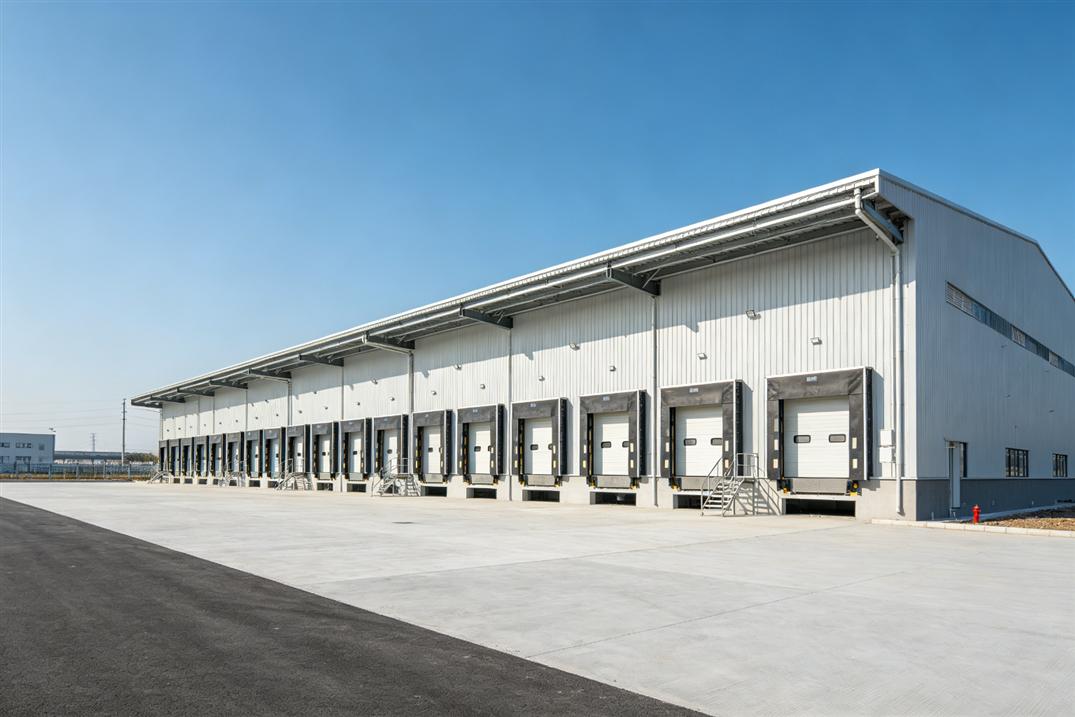
The United Arab Emirates (UAE) is a major construction and industrial hub in the Middle East, with significant demand for steel structures. Key sectors: (1) Oil and gas — The UAE's petroleum industry requires processing plants, storage facilities, workshops, and pipe racks. (2) Manufacturing — Jebel Ali Free Zone (JAFZA), Khalifa Port Free Zone (KIZAD), and Hamriyah Free Zone attract manufacturing investment, driving demand for factories and warehouses. (3) Logistics — Dubai is a major global logistics hub, with Jebel Ali Port (one of the world's largest) and Al Maktoum International Airport creating demand for logistics centers and warehouses. (4) Construction — The UAE's ambitious construction projects (Expo City, NEOM-related infrastructure, residential and commercial developments) require steel structures. (5) Agriculture — Despite the arid climate, there is growing interest in controlled-environment agriculture (greenhouses, vertical farms) and food processing facilities. The UAE's extreme climate (very high temperatures up to 50°C, high humidity in coastal areas, sandstorms) requires special design considerations for thermal insulation, corrosion protection (especially in coastal/saline environments), and wind loads (occasional strong winds, shamal winds). ZhongSai has supplied multiple projects to the UAE, including warehouses and factories in Dubai, Sharjah, and Abu Dhabi.
The UAE has specific building code requirements, with each emirate having its own regulations: (1) Dubai Municipality Building Code — The primary code for Dubai, based on international standards (IBC, ACI, AISC, ASCE). It includes specific provisions for wind, seismic, and fire. (2) Abu Dhabi Department of Urban Planning and Municipalities (DPM) — Abu Dhabi has its own building code, also based on international standards. (3) Other emirates — Sharjah, Ajman, Ras Al Khaimah, Fujairah, Umm Al Quwain have their own municipal regulations, generally aligned with Dubai/Abu Dhabi standards. (4) Steel design — AISC 360 (Specification for Structural Steel Buildings) is the primary reference standard. ASTM A36, A572, A992 are accepted material standards. BS 5950 and Eurocode 3 are also accepted in some projects. (5) Wind load — ASCE 7 is used for wind load calculations. Basic wind speeds in the UAE range from 30-40 m/s (108-144 km/h), with higher values for coastal areas and to account for shamal winds and occasional cyclones. (6) Seismic — The UAE has low to moderate seismicity. Seismic zone factor is typically 0.05-0.1g, but some projects use higher values for conservatism. (7) Fire resistance — UAE building codes require specific fire resistance ratings for structural steel, depending on building type and height. This may require fireproofing coatings (intumescent or cementitious) for steel members. (8) Local engineer — Building permit drawings must be signed and sealed by a UAE-licensed engineer (registered with the relevant municipality's engineering department). Foreign designs must be reviewed and approved by a local engineer. ZhongSai designs to AISC/ASTM standards with appropriate UAE wind and fire provisions, and provides complete documentation for local engineer review.
Shipping from China to the UAE: (1) Major ports — Chinese ports: Shenzhen, Guangzhou, Shanghai, Ningbo, Qingdao. UAE ports: Jebel Ali (Dubai, main port), Mina Zayed (Abu Dhabi), Khalifa Port (Abu Dhabi), Hamriyah Port (Sharjah), Ras Al Khaimah. (2) Transit time — Shenzhen/Guangzhou to Jebel Ali: 14-18 days. Shanghai/Ningbo to Jebel Ali: 18-22 days. Direct services are available from major Chinese ports. (3) Shipping cost — 40HQ from China to Jebel Ali: $800-2,000, depending on season and route. (4) Documentation — Commercial invoice, packing list, bill of lading, Certificate of Origin (CO), and sometimes import permit or product certification. For free zones (JAFZA, KIZAD), documentation requirements may differ. (5) Customs — UAE Federal Customs Authority and individual emirate customs departments handle clearance. Standard clearance: 2-5 days. Dubai Customs uses an electronic system (Mirsal). (6) Duties — UAE import duty on steel structures (HS 7308) is typically 5% (CIF value). For free zones, duties may be deferred or exempt if goods remain within the free zone. 5% VAT applies to taxable supplies. Some industrial projects may qualify for duty exemptions. ZhongSai provides all documentation and can arrange CIF shipping to Jebel Ali or any UAE port.
Installation in the UAE: (1) Foundation — Soil conditions vary: desert sand (low bearing capacity, requires improvement or deep foundations), sabkha (salt flats, corrosive, requires special foundation design), and rock (good bearing capacity). A geotechnical investigation is essential. Deep foundations (piles) are common for larger buildings, especially in sabkha areas. (2) Weather — The UAE has an arid desert climate with extreme summer temperatures (40-50°C, June-September) and mild winters (15-25°C, November-March). Installation is best during winter months (October-April). Summer work may require early morning/late afternoon shifts and heat safety measures. Sandstorms (shamal) can cause delays and require protection of materials and equipment. (3) Labor — The UAE construction workforce is primarily expatriate (Indian, Pakistani, Bangladeshi, Nepali, Filipino, Chinese). Skilled steel erectors and welders are available, especially in Dubai/Abu Dhabi. Labor costs are moderate. (4) Equipment — Cranes and construction equipment are readily available in all emirates. Heavy lift cranes (up to 500+ tons) are available for large projects. (5) Permits — Building permits are issued by the relevant municipality (Dubai Municipality, Abu Dhabi DPM, etc.). Drawings must be signed by a UAE-licensed engineer. The permit process involves multiple approvals (civil defense, electricity, water, etc.) and can take 4-12 weeks depending on project size and emirate. ZhongSai provides detailed drawings for local engineer stamping and permit submission.
Key factors: (1) AISC/ASTM design with UAE provisions — Ensure the supplier understands UAE wind loads, fire resistance requirements, and extreme climate considerations. (2) Experience with UAE — Prior projects in the UAE, familiarity with Jebel Ali shipping, Dubai Municipality requirements, and free zone regulations. (3) Corrosion protection — Coastal/saline environments (sabkha, high humidity) require heavy-duty corrosion protection (hot-dip galvanizing or high-performance paint systems). (4) Thermal insulation — Extreme temperatures require proper roof/wall insulation (sandwich panels with high R-value). (5) Fireproofing — If required by local code, the supplier should be able to apply or specify fireproofing coatings. (6) Documentation — Complete documentation for customs and local engineer review. (7) After-sales support — Installation guidance and technical support. ZhongSai offers all these, with multiple completed projects in the UAE and a team familiar with local requirements.
The UAE primarily uses AISC 360 for steel design and ASTM standards for materials, as referenced in the Dubai Municipality Building Code and Abu Dhabi DPM regulations. BS 5950 and Eurocode 3 are also accepted for some projects. Wind loads follow ASCE 7 with basic wind speeds of 30-40 m/s. Fire resistance requirements must be met per local codes. ZhongSai designs to these standards with UAE-specific provisions.
Shipping from southern China (Shenzhen/Guangzhou) to Jebel Ali Port takes 14-18 days. From Shanghai/Ningbo: 18-22 days. Total project timeline from order to installation is typically 3-5 months, including design (1-2 weeks), production (3-5 weeks), shipping (2-3 weeks, parallel with foundation), and installation (2-4 weeks).
UAE import duty on steel structures (HS 7308) is typically 5% of CIF value. For projects in free zones (JAFZA, KIZAD, Hamriyah), duties may be deferred or exempt if goods remain within the free zone. 5% VAT applies to taxable supplies. Some industrial or strategic projects may qualify for duty exemptions. ZhongSai provides all documentation to facilitate customs clearance.
The UAE's extreme climate requires several design considerations: (1) Thermal insulation — high R-value sandwich panels for roof and walls to maintain comfortable interior temperatures and reduce cooling costs. (2) Corrosion protection — coastal/sabkha areas have high salt content in soil and air, requiring heavy-duty galvanizing or paint systems. (3) Wind loads — basic wind speeds of 30-40 m/s, with consideration for shamal winds. (4) Thermal expansion — high temperatures cause significant steel expansion, requiring proper expansion joints and connection design. (5) Fire resistance — local codes may require fireproofing coatings for structural steel. ZhongSai incorporates all these considerations into UAE project designs.
Get a free, no-obligation quote within 24 hours. Our engineering team will design the optimal solution for your requirements.
Jebel Ali, Khalifa Port, Sharjah
ESMA (Emirates Authority for Standardization and Metrology), ECAS certification
Logistics warehouses, commercial buildings, exhibition centers, light industrial plants
China to UAE route approx 15-20 days
Note: The above port, standard and route information is for public market reference only. Specifics are subject to actual project requirements and latest policies.