Comprehensive comparison of steel structure vs concrete construction. Compare costs, construction speed, durability, sustainability, design flexibility, and total cost of ownership for industrial and commercial buildings.
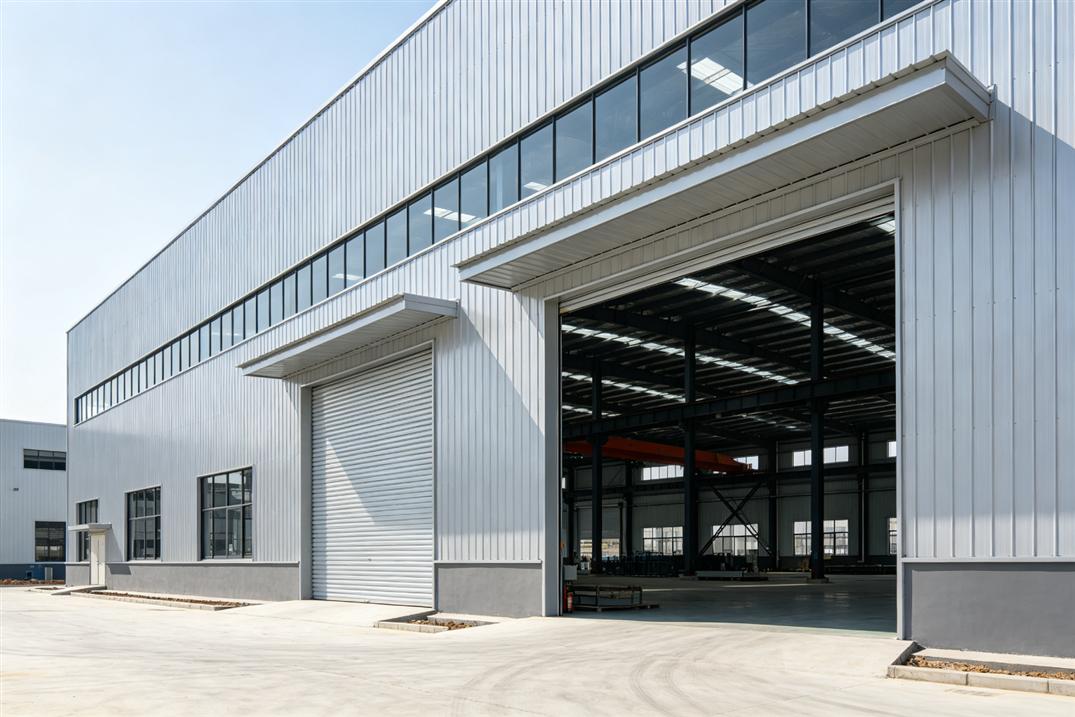
Steel structures offer significant speed advantages over concrete construction. Prefabricated steel components are manufactured off-site and delivered ready for erection, reducing on-site construction time by 30-50%. A typical 5,000m² steel warehouse can be erected in 4-6 weeks, while a comparable concrete structure may take 4-6 months. Steel construction is also less weather-dependent, as components can be installed in a wider range of conditions. This faster construction translates to earlier occupancy, faster return on investment, and reduced financing costs. For businesses needing rapid expansion or time-sensitive projects, steel is the clear choice.
When comparing costs, it is essential to consider both initial construction costs and total cost of ownership. Initial steel structure costs are typically 10-20% lower than concrete for industrial buildings, due to reduced material quantities, faster construction, and lower labor costs. However, for multi-story buildings (5+ floors), concrete may have a cost advantage due to steel's higher fire protection requirements. Total cost of ownership favors steel: lower maintenance costs (no cracking, spalling, or corrosion issues with proper coating), easier expansion, and higher resale value. Steel buildings also have lower foundation costs due to lighter structural loads (30-50% lighter than concrete).
Both steel and concrete are durable materials, but they have different maintenance requirements. Steel structures, when properly protected with galvanizing or paint systems, can lastwith minimal maintenance. Annual inspections of connections, coating condition, and drainage are recommended. Concrete structures are also durable (50-1), but are prone to cracking, spalling, and water infiltration, especially in seismic or freeze-thaw environments. Concrete repairs can be complex and expensive. Steel offers the advantage of easy inspection and repair — damaged components can be replaced or reinforced without major demolition. Both materials require proper design and quality construction for optimal durability.
Steel structures offer superior design flexibility compared to concrete. Steel's high strength-to-weight ratio enables larger clear spans (up to 60m+ without intermediate columns), creating column-free interior spaces ideal for warehouses, factories, and sports facilities. Steel buildings are also easier to expand — additional bays can be added by extending the frame, often without disrupting existing operations. Concrete structures, while capable of large spans, require heavier beams and more complex formwork. Expansion of concrete buildings is more difficult and expensive, often requiring structural modifications. Steel also offers easier modification of interior layouts, as non-load-bearing walls can be relocated without affecting structural integrity.
Steel is one of the most sustainable construction materials available. Steel is 100% recyclable, with over 90% of structural steel being recycled at end of life. Recycled steel maintains the same properties as virgin steel, creating a closed-loop material cycle. Steel construction generates less construction waste (prefabrication reduces off-cuts), and the lighter foundation reduces concrete usage (a major source of CO2 emissions). Modern steel mills have significantly reduced their carbon footprint, with many using electric arc furnaces powered by renewable energy. Concrete, while also recyclable to some extent, has a higher carbon footprint due to cement production (responsible for ~8% of global CO2 emissions). For projects prioritizing sustainability, steel is the environmentally responsible choice.
For industrial and commercial buildings (single to 3-story), steel is typically 10-20% cheaper initially, with even greater savings in total cost of ownership due to faster construction and lower maintenance. For high-rise buildings (5+ floors), concrete may be more cost-effective.
Steel construction is typically 30-50% faster than concrete. A 5,000m² steel warehouse takes 4-6 weeks to erect, while a comparable concrete building may take 4-6 months. This speed advantage translates to earlier occupancy and lower financing costs.
Both materials are durable ( with proper maintenance). Steel offers easier inspection and repair, and is less prone to cracking. Concrete can suffer from spalling and water infiltration, especially in harsh environments. With proper corrosion protection, steel is equally or more durable than concrete.
Yes, steel buildings are designed for easy expansion. Additional bays can be added by extending the structural frame, often without disrupting existing operations. This modularity is one of steel's key advantages over concrete, where expansion is more complex and costly.
Get a free, no-obligation quote within 24 hours. Our engineering team will design the optimal solution for your requirements.