Automotive Parts Manufacturing Factory with 10-ton Crane — Johannesburg, South Africa
Project Specifications
Project Overview
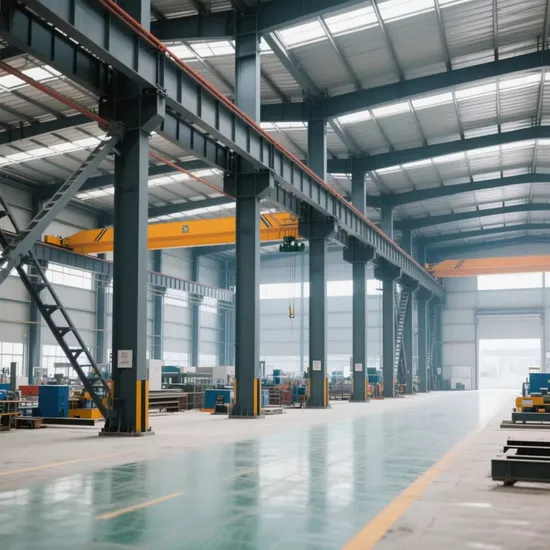
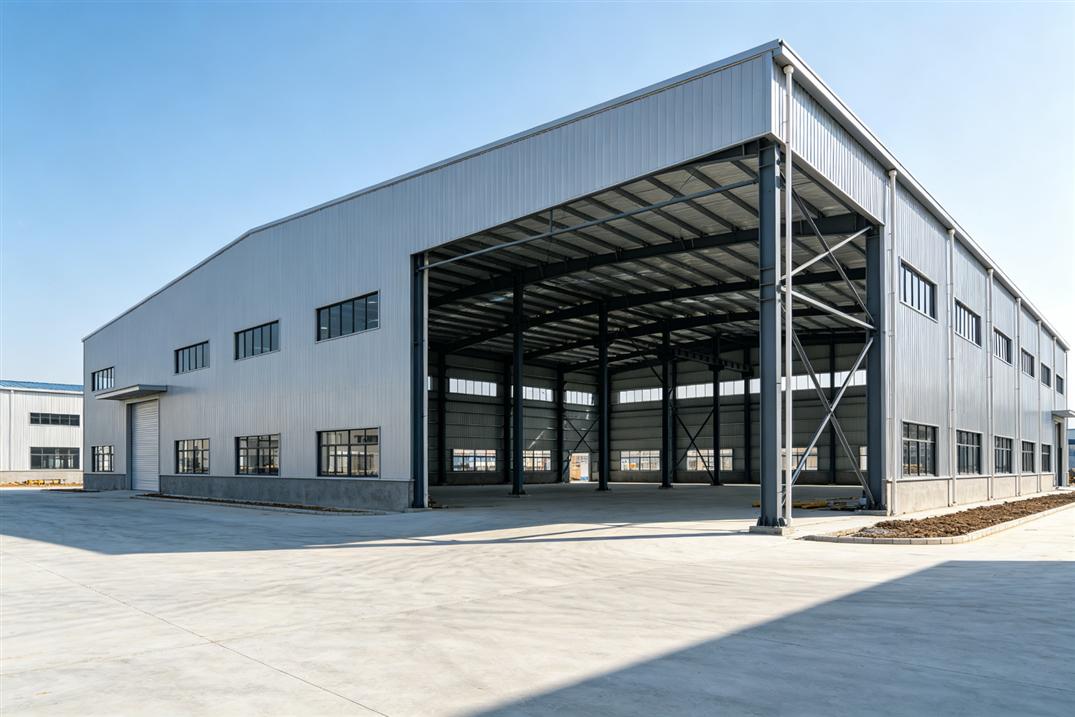
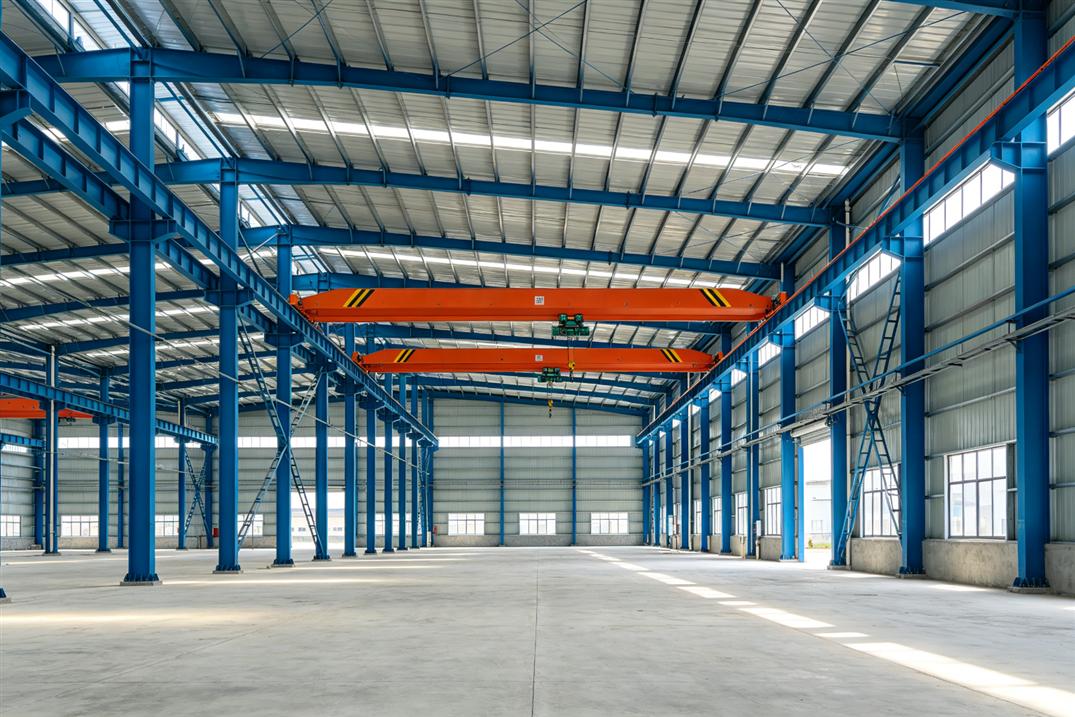
A large automotive parts manufacturing factory in Johannesburg, South Africa, equipped with a 10-ton overhead crane, anti-static flooring integration, and high-efficiency ventilation systems. The project met the high standards required by the automotive industry, including precision column alignment for automated production lines. ZhongSai provided complete design, manufacturing, SABS-compliant documentation, and export to Durban Port.
Production & Export
Installation Support
English installation drawings, SABS-compliant documentation, automotive industry precision erection guides, video tutorials, and engineer dispatch for large factory installation.
Frequently Asked Questions
What standards does South Africa use for steel structures?
South Africa uses SANS (South African National Standards). SANS 10162 is the structural steel design code, based on AISC LRFD methodology. SANS 10160 covers loads. These are very similar to international standards, making it straightforward for Chinese manufacturers familiar with AISC to design compliant structures.
How was the automotive precision requirement met?
Automotive production lines require column alignment within ±2mm over 100m length. We achieved this through: pre-assembled column sections in factory, precision-machined base plates with shim adjustment, detailed erection sequences with tolerance checkpoints, and optional engineer supervision during critical erection phases.
Was SABS certification required?
South Africa does not have a mandatory pre-shipment certification for steel structures (unlike SONCAP in Nigeria). However, SABS material certification may be required for certain projects. We provided full material test reports (MTR) per heat number, and the local engineer verified compliance with SANS material specifications.
What about the high altitude and climate in Johannesburg?
Johannesburg is at 1,753m elevation with significant day-night temperature variation (up to 20°C). We designed expansion joints accordingly, specified UV-resistant coatings for exterior members, and provided guidance on concrete curing for the highveld climate. Thunderstorm season (October-March) required proper lightning protection design integration.
Ready to Start Your Steel Structure Project?
Get a free, no-obligation quote within 24 hours. Our engineering team will design the optimal solution for you.